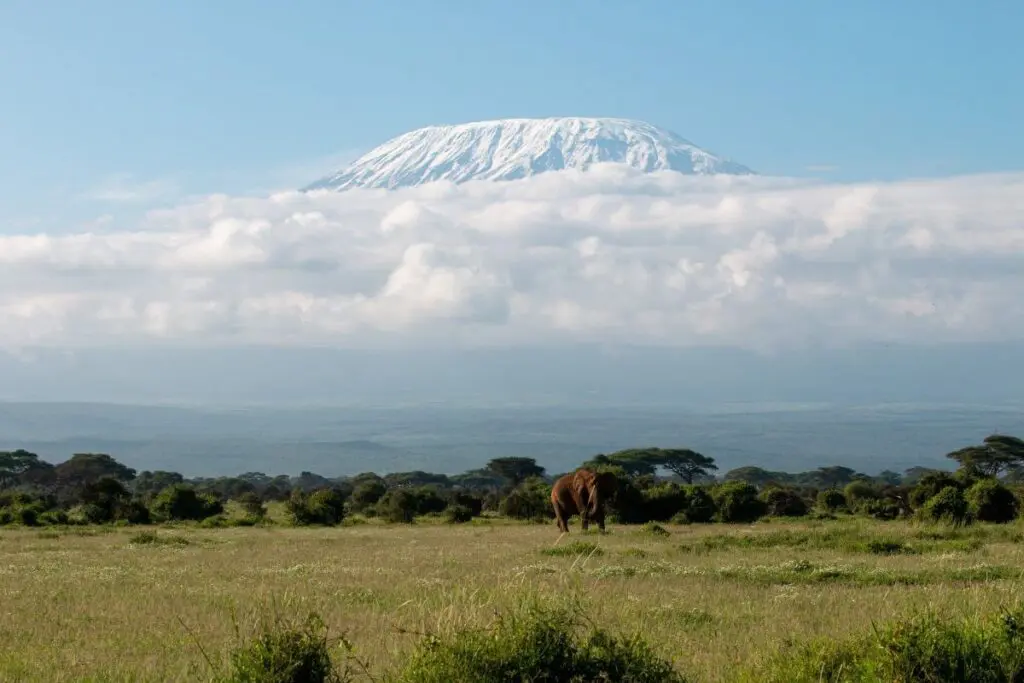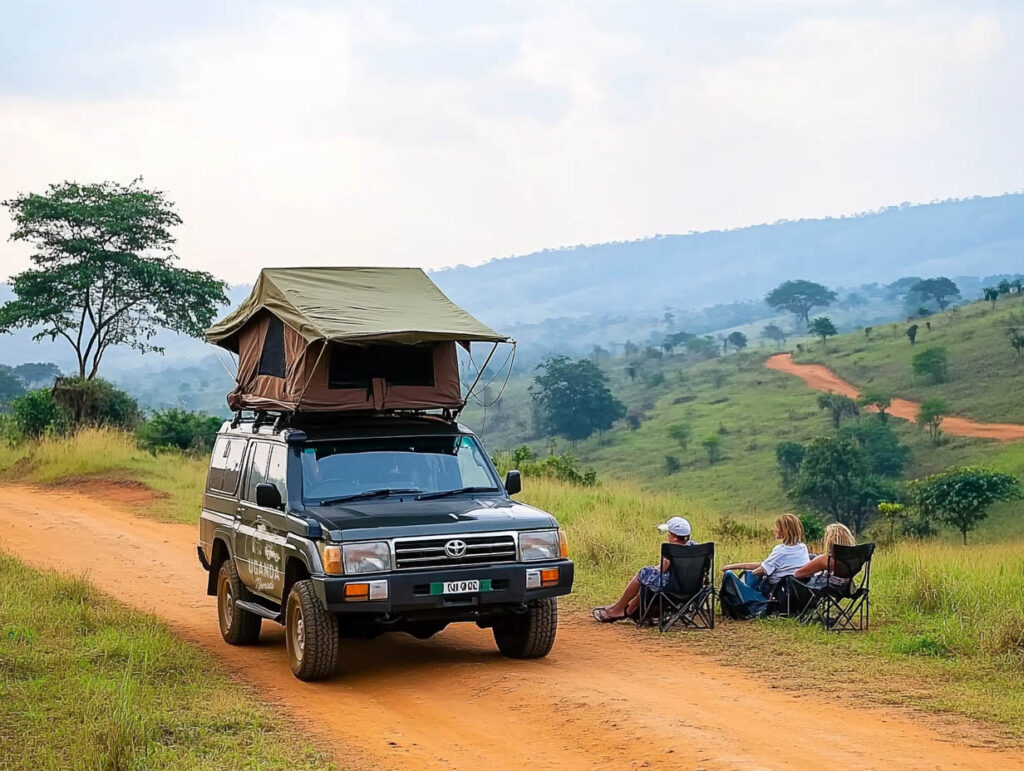

A rhino grazing beside a lake. Zebras out on the plains. Cliffs rising above a landscape that invites you to explore beyond the safari vehicle. A Kenya Safari brings together very different encounters with the wild. From the Masai Mara to Lake Nakuru and Lake Naivasha, here’s what makes these destinations worth discovering, and how to approach your adventure with realistic wildlife expectations.
Covered on this page:
- Your Kenya safari destinations at a glance
- Masai Mara National Reserve: the classic savannah safari
- Lake Nakuru National Park: rhinos and lakeside landscapes
- Lake Naivasha: a nature stop beyond the national parks
- Hell’s Gate National Park: cliffs, gorges and a different pace
- The Big Five in Kenya: keep your expectations wild
- When is the best time to go on safari in Kenya?
Your Kenya safari destinations at a glance
Not every wildlife destination in Kenya is a national park. That distinction matters when you’re planning your route: the Masai Mara is a national reserve, Lake Nakuru and Hell’s Gate are national parks, and Lake Naivasha is a lake destination.
Together, they offer more than variations on a game drive. The Masai Mara brings the open savannah into focus. Lake Nakuru pairs wildlife watching with lakeside scenery and birdlife. Lake Naivasha adds another waterside landscape, with Hell’s Gate offering a different perspective on Kenya’s wild places nearby.
Pack for looking, not just photographing
- Binoculars: bring a pair so you can enjoy distant wildlife and birdlife without relying on a camera zoom.
- Comfortable layers: choose clothing you can easily add or remove, rather than relying on one outfit for every condition.
- Practical footwear: pack shoes suited to the activities confirmed in your programme, especially if you’re considering cycling.
- Camera essentials: bring spare batteries, enough storage and a protective bag. Practise changing settings before the trip.
- Sun protection: keep sunscreen, sunglasses and a hat within reach during outings.
- Insect repellent: pack it somewhere accessible and follow the product’s instructions.
- Your attention: put the camera down occasionally. You don’t need a photograph of every moment to enjoy it.
Masai Mara National Reserve: the classic savannah safari
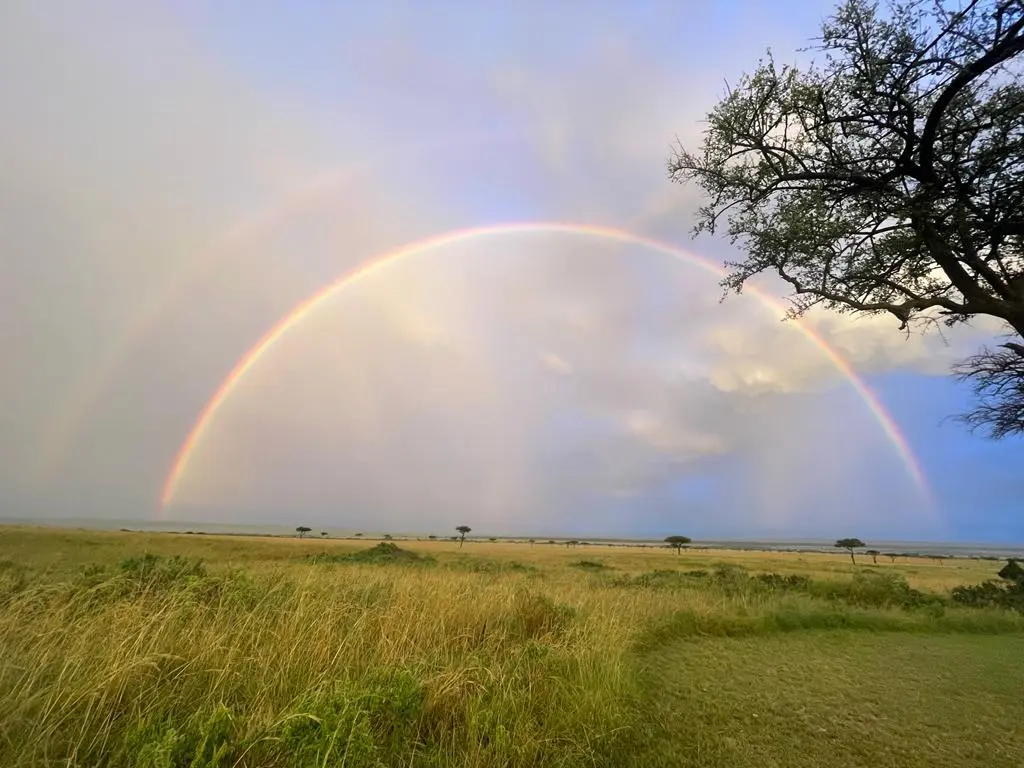
When you picture a Masai Mara safari, it’s probably the space that comes to mind first. Plains stretching into the distance, wildlife moving through the grass and the feeling that the next sighting could happen anywhere.
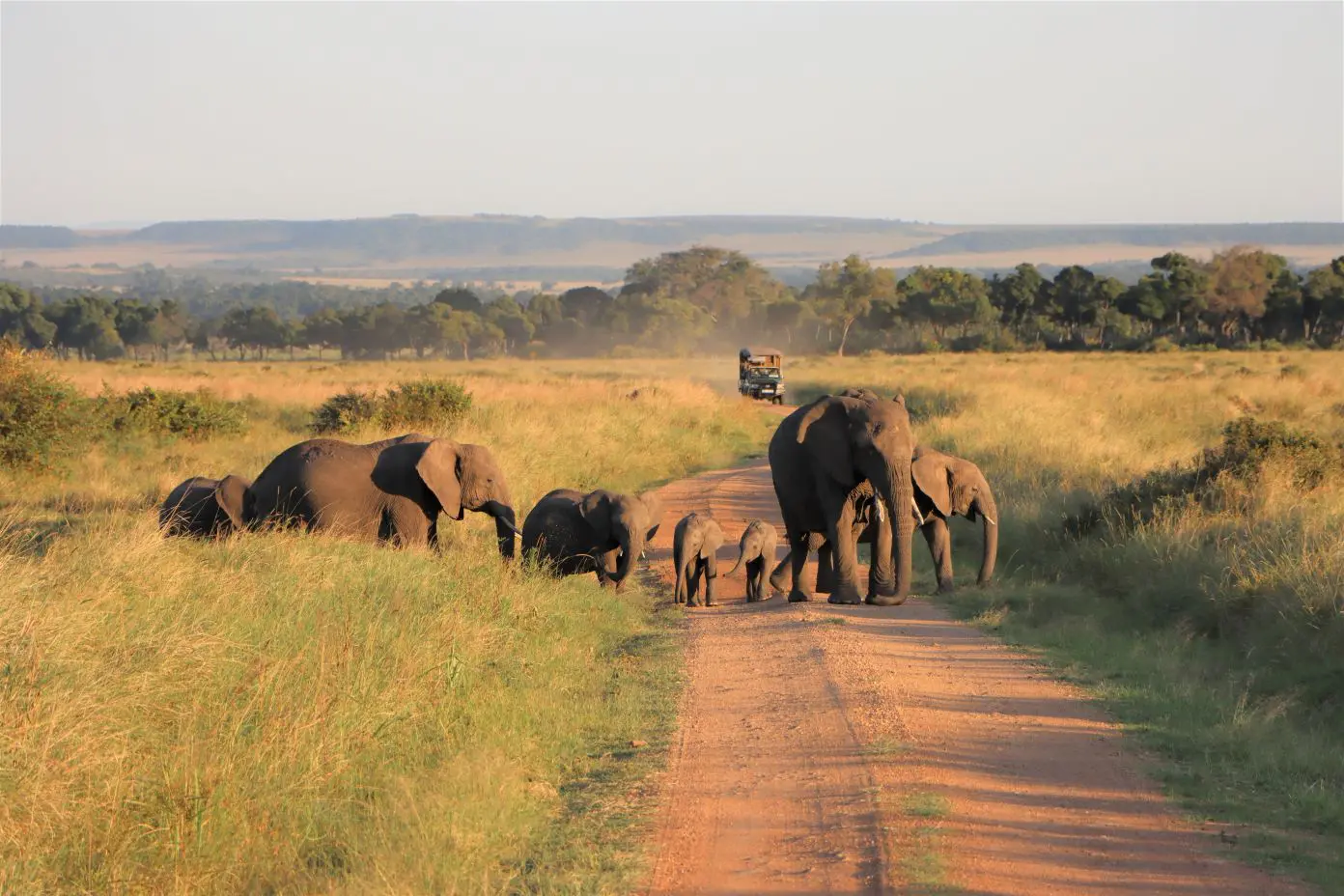
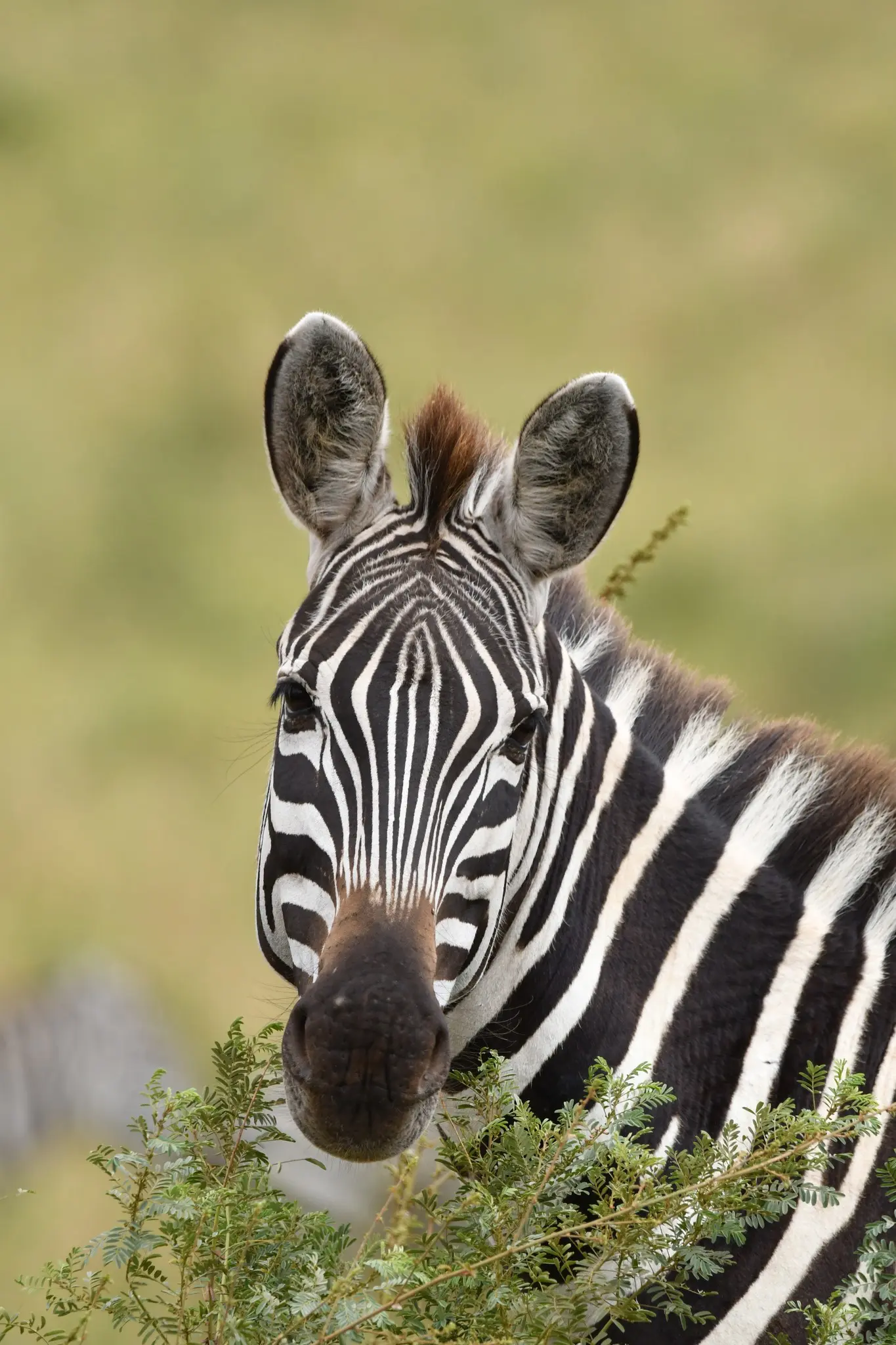
This is the iconic African savannah experience. Rather than concentrating on one animal, take time to watch the whole landscape. Zebras roaming close to your 4×4 can be just as memorable as a sighting you’ve spent the morning hoping for. A local driver-guide helps lead the way, while you get to concentrate on what’s happening outside.
The reserve is a destination for Big Five wildlife watching, but a safari is never a checklist with guaranteed results. Animals move freely, and each outing unfolds differently. That uncertainty is part of the experience: you’re looking for wildlife in its own surroundings, not following a timetable of appearances.
The Great Migration is seasonal, so it should not be treated as a year-round feature of every visit. Its movements are an important consideration if it’s a particular reason for your trip, rather than something to assume will coincide with your dates.
Lake Nakuru National Park: rhinos and lakeside landscapes
After the wide-open feel of the Masai Mara, Lake Nakuru National Park shifts your attention towards the water. The lake and its surrounding landscapes give wildlife watching a different backdrop, with birds adding another reason to keep your binoculars close.
Rhinos are a particular highlight here. Watching one graze beside the lake offers a very different safari moment from scanning distant savannah. Giraffes and other wildlife add to the experience, so resist the temptation to focus on a single species throughout your visit.
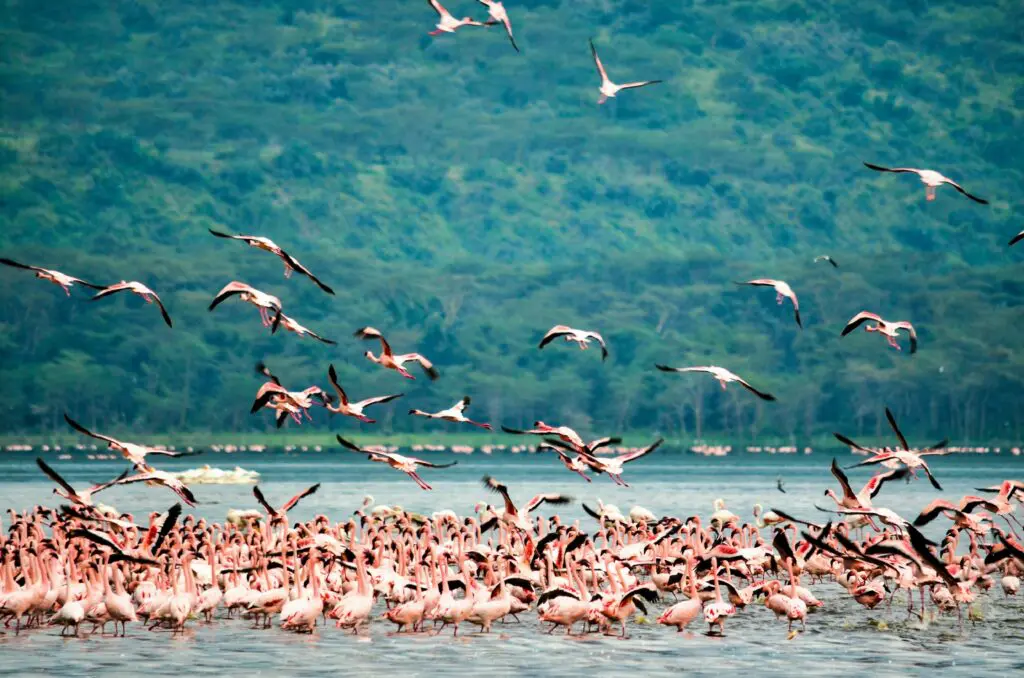
Lake Nakuru is also associated with flamingos and other birdlife. As with larger animals, approach bird sightings with curiosity rather than a fixed expectation. The experience is about discovering what’s there during your visit, not trying to recreate a particular photograph.
The contrast with the Masai Mara is what makes the combination rewarding. One destination invites you to look across the plains; the other brings the lake, its edges and the surrounding scenery into the story. You’re not simply visiting another wildlife stop, you’re changing the way you look.
Lake Naivasha: a nature stop beyond the national parks
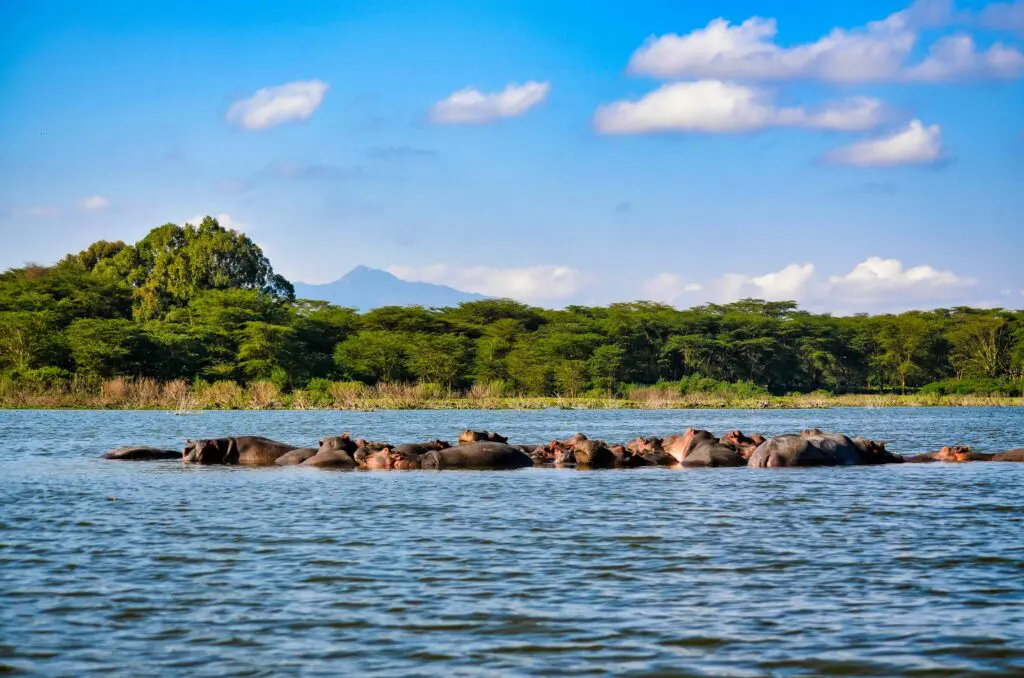
Lake Naivasha belongs in this guide for its scenery and wildlife, but it isn’t a national park. Here, the lake itself is the centre of the experience: an expanse of water, birdlife to watch and the possibility of spotting hippos.
It’s a change of emphasis after the savannah. Give yourself permission to look at the smaller details, rather than constantly searching for the next large animal. Birds and the lakeside setting deserve attention in their own right.
Lake Naivasha is also the part of the route connected with a possible visit to Hell’s Gate National Park. Keep the lake stay and any additional activity separate when checking your itinerary. Being in the area does not automatically mean that every nearby experience is included.
Hell’s Gate National Park: cliffs, gorges and a different pace
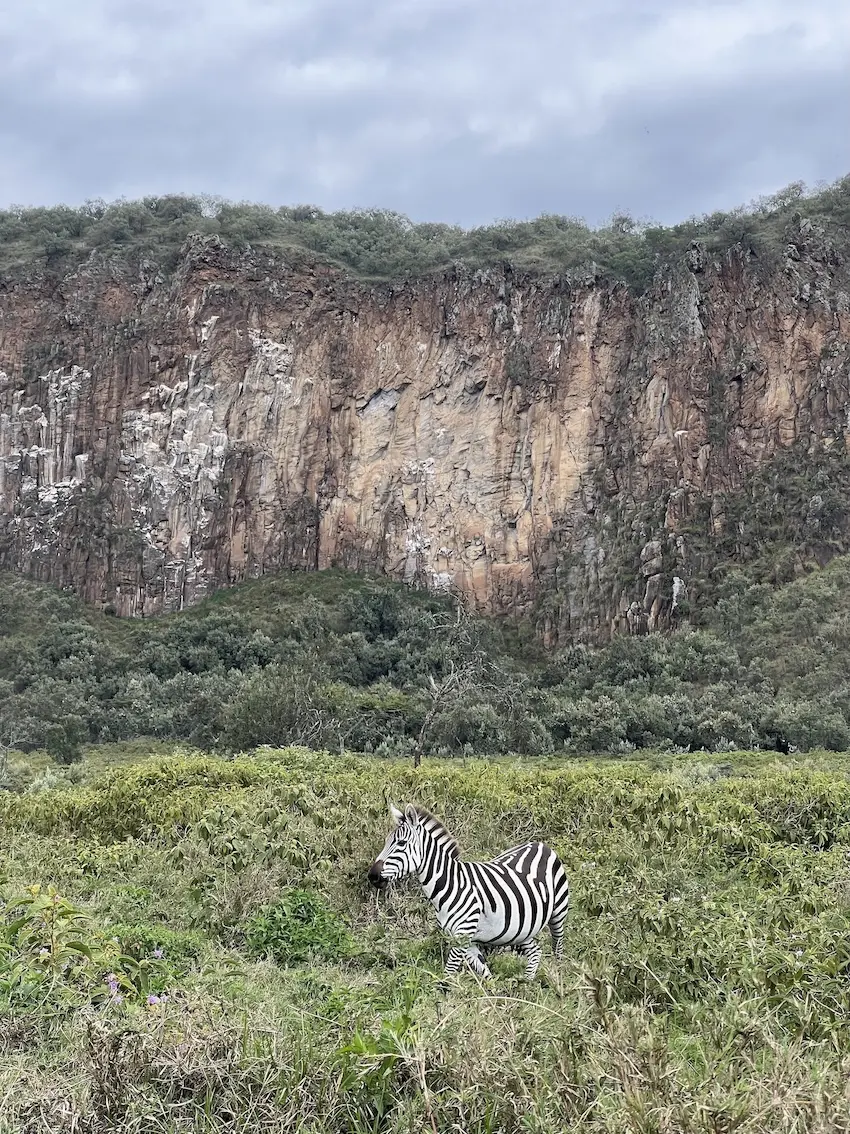
Cliffs, gorges and volcanic landscapes give Hell’s Gate a character of its own. Here, the scenery becomes as much a reason to visit as the wildlife. It’s a striking contrast with the broad plains of the Masai Mara and the lakeside setting of Nakuru.
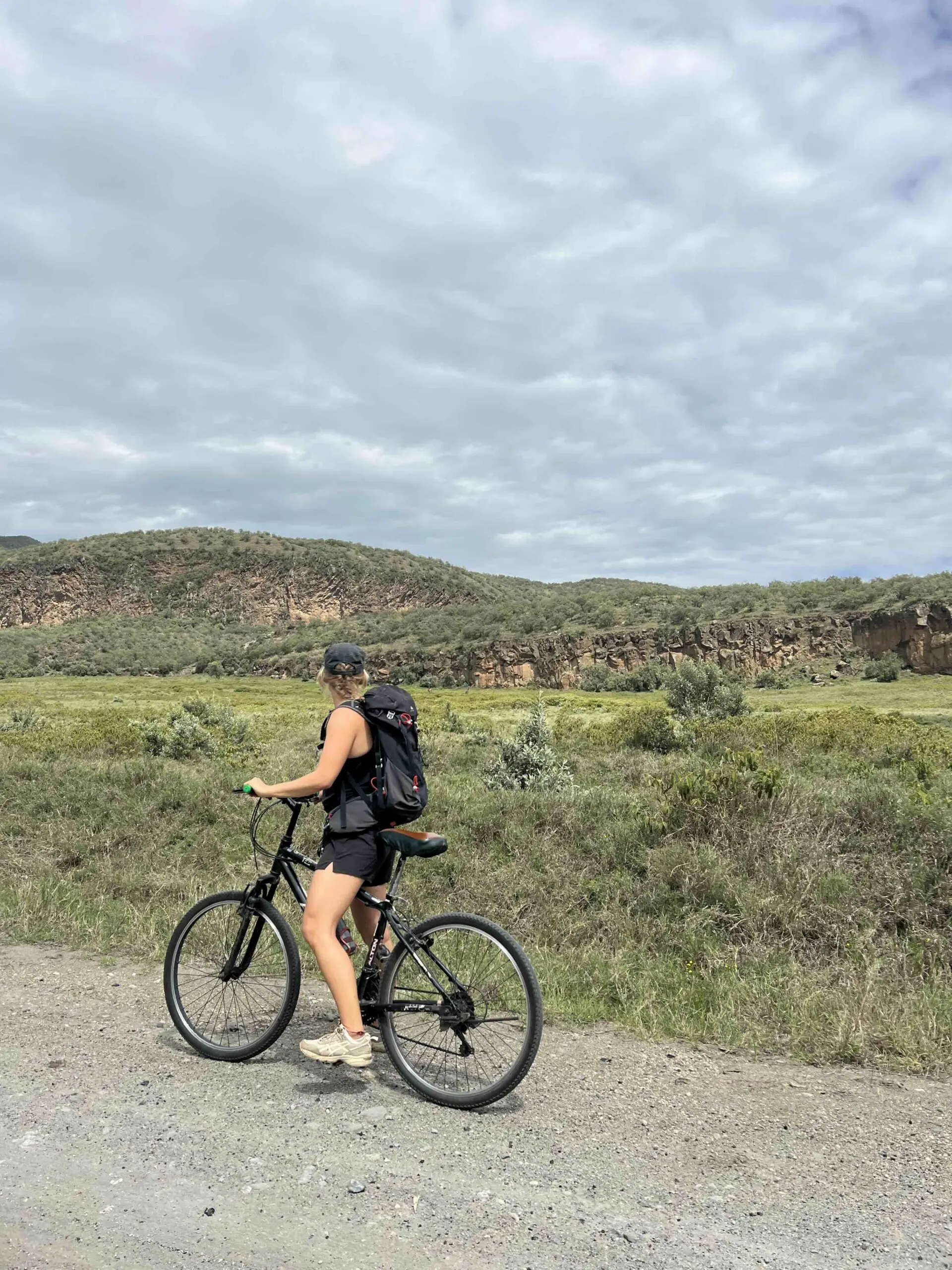
Hell’s Gate offers a unique way to experience Kenya’s wildlife landscapes. One of its highlights is cycling through the park, with zebras and other wildlife roaming freely around you. It’s a refreshing change from the traditional safari experience, letting you explore the scenery up close and at your own pace.
The Big Five in Kenya: keep your expectations wild
Big Five sightings are a familiar ambition for a safari trip in Kenya. They can give you something to look out for, but they shouldn’t become the only measure of a successful day.
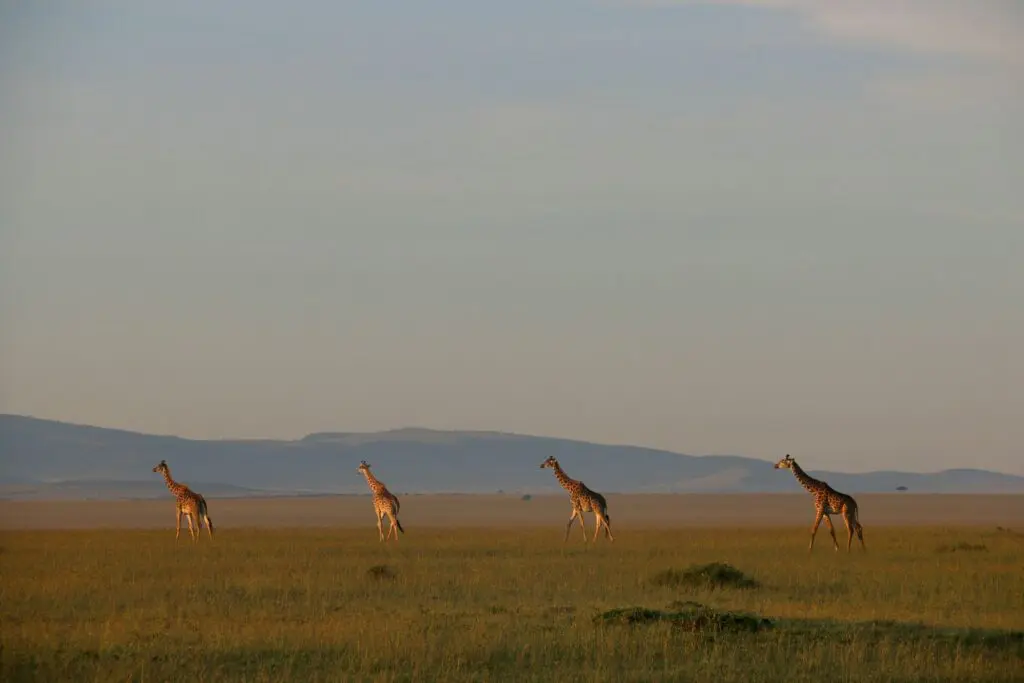
Rhinos at Lake Nakuru and wildlife on the Masai Mara plains are highlights of the route described in the supplied material. Beyond any headline species, leave room for the encounters you hadn’t thought to anticipate: zebras near your vehicle, giraffes in the landscape or birds holding your attention beside a lake.
No wildlife sighting is guaranteed. Tell your guide what interests you, stay attentive and let the day develop. Watching an animal’s behaviour is often more rewarding than taking a photograph and immediately looking for the next one.
When is the best time to go on safari in Kenya?
The best time to travel to Kenya depends on what you want to experience during your safari. Are you hoping to witness the Great Migration in the Masai Mara, spot the Big Five or explore Kenya’s national parks with fewer other visitors? Each season offers something different.
The dry season, from June to October, is generally considered the best time for wildlife viewing. Animals gather around water sources, making them easier to spot, and the Great Migration usually reaches the Masai Mara between July and October.
The rainy seasons, on the other hand, bring greener landscapes, fewer tourists and excellent opportunities for photography. So, the best time to visit really comes down to the kind of safari experience you’re looking for.