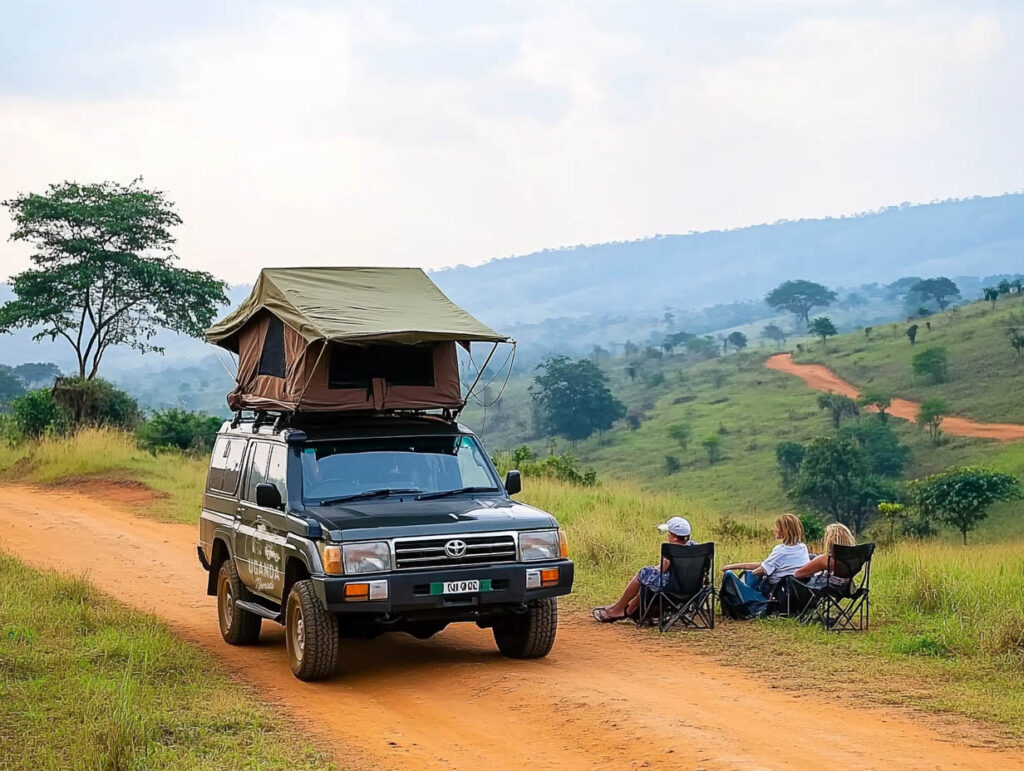

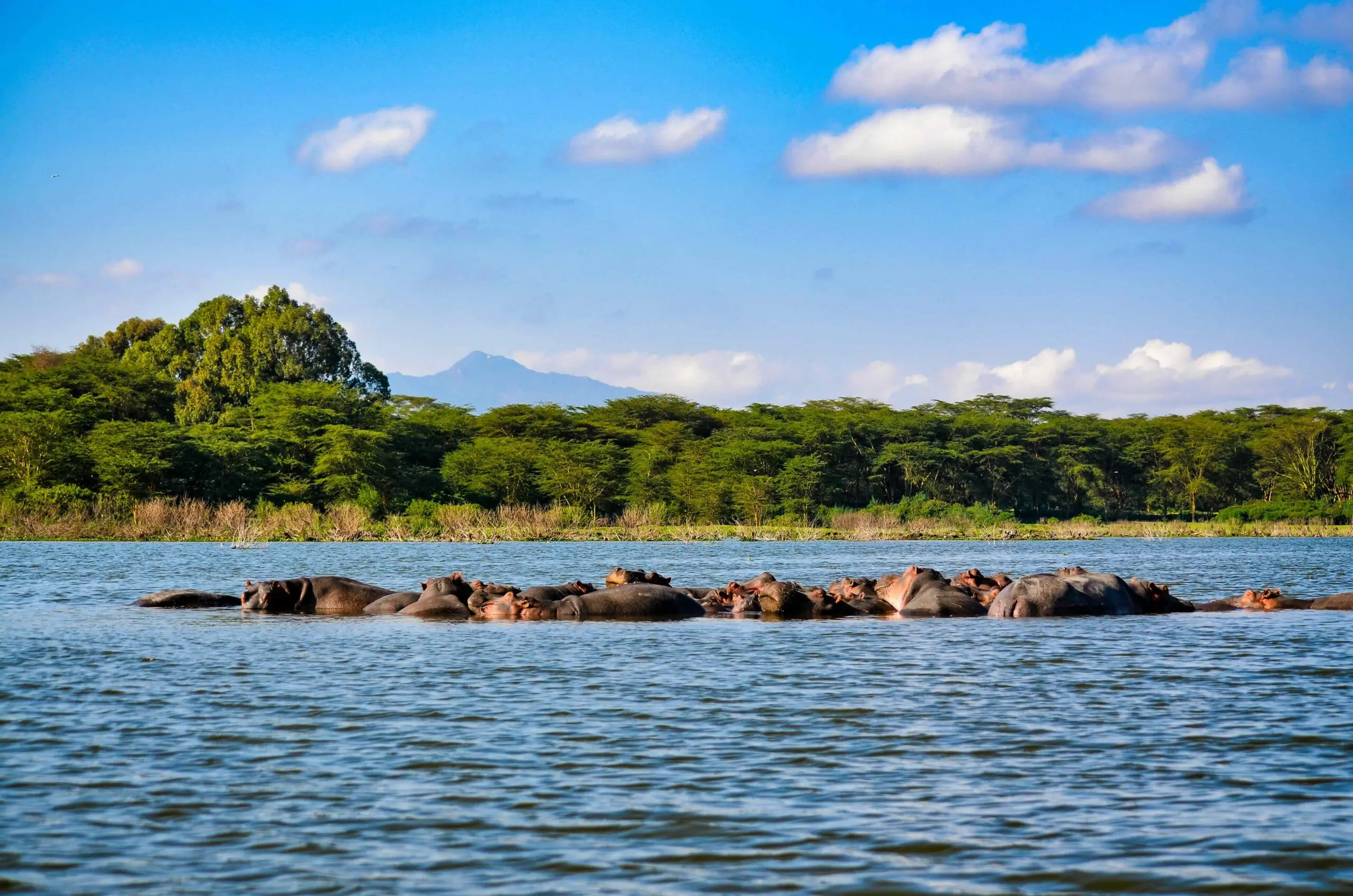
Planning a trip to Kenya? Choosing the right time to go can make a big difference to your experience. From spotting the Big Five on a Masai Mara safari to exploring Lake Nakuru National Park, Lake Naivasha and the landscapes around Nairobi, each season brings something different. The best time to travel to Kenya largely depends on what you want to see and do. While the dry months are generally ideal for wildlife viewing and road trips, the rainy seasons have their own appeal. So, when should you go? Let’s take a closer look at Kenya’s seasons and find the best time for your safari adventure.
Covered on this page:
- Kenya’s seasons: which period suits your adventure?
- January and February: a dry-weather safari window
- March to May: greener landscapes and heavier rain
- June to October: the main dry season
- November and December: shorter showers, another perspective
- The best time for safari in Kenya
- The best time for a Kenya road trip
- So, when should you visit Kenya?
Kenya’s seasons: which period suits your adventure?
The best time to go to Kenya depends on what matters most to you: wildlife viewing, a particular seasonal event, quieter parks or straightforward travel between destinations.
Use the seasons below as a planning guide, not a weather forecast. Conditions vary across Kenya, so check the places on your route individually rather than assuming one national weather pattern will cover your whole trip.
Good to know before you visit Kenya
- Plan ahead for peak safari season. June to October is a popular time to visit Kenya, so booking your lodges and safari experiences in advance is a good idea.
- Think beyond the weather. Each season comes with its own advantages, from easier wildlife spotting in the dry months to greener landscapes during the rainy season.
- Look at the whole route. On a multi-stop road trip, weather and road conditions can vary significantly between Nairobi, the national parks and more remote regions.
- Enjoy the unexpected. Wildlife sightings are never guaranteed, but that’s part of the adventure. Every national park and safari drive brings a new opportunity.
- Consider travelling with a driver-guide. If you’d rather focus on spotting wildlife than navigating the parks yourself, a local driver-guide is a great choice. They know the area, understand animal behaviour and often know where to look for wildlife.
January and February: a dry-weather safari window
January and February generally bring dry conditions and excellent opportunities for wildlife viewing. If a Kenya safari is the main reason for your trip, this period is well worth considering alongside the longer June-to-October dry season.
It also makes sense for a journey combining parks and lake destinations: dry conditions are generally more convenient for travelling between stops. That does not mean every road will be easy or every wildlife encounter predictable.
- Best suited to: safari-focused trips and road trips linking several destinations.
- Main advantage: a second dry-weather window for planning your adventure.
- Keep in mind: check local conditions and accommodation availability before committing to your route.
March to May: greener landscapes and heavier rain
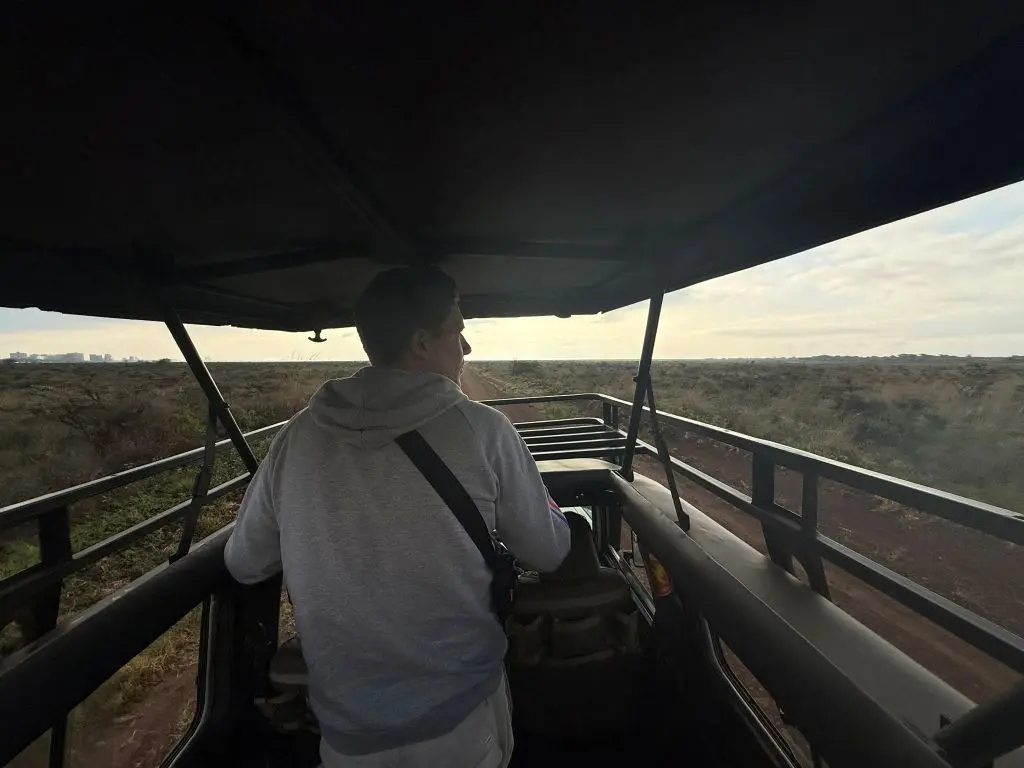
March to May is Kenya’s long rainy season. Heavier rainfall brings greener landscapes and fewer tourists, offering a different setting for a safari from the more popular dry months.
The trade-off is practical. Rain can affect safari outings, road conditions and access, particularly when your route includes remote areas or national park tracks. A tightly packed road trip leaves less room to adapt.
- Best suited to: travellers who value greener scenery and fewer crowds, and can stay flexible.
- Main advantage: quieter surroundings and a different view of Kenya’s landscapes.
- Keep in mind: confirm route accessibility rather than assuming every planned stop will be reachable.
June to October: the main dry season
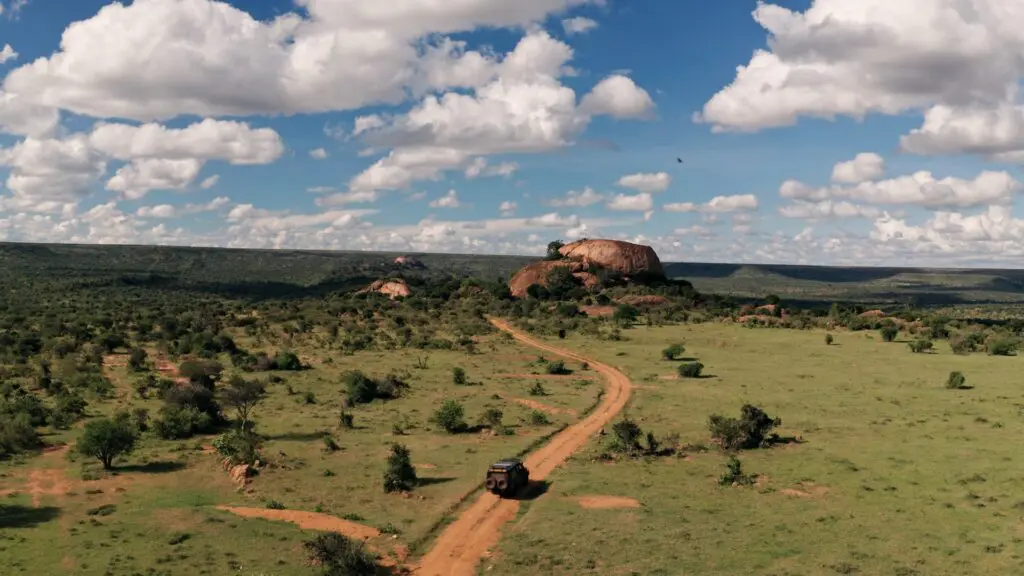
June to October is one of the most popular periods for wildlife viewing in Kenya. The main dry season is a strong choice if you want to combine safari experiences with a road trip through several destinations.
This is also the broad seasonal window associated with the Great Migration in the Masai Mara. Treat it as a starting point for planning, not a promise that a particular wildlife event will happen during your stay.
- Best suited to: an overall Kenya safari, a Masai Mara safari and multi-stop exploration.
- Main advantage: generally more convenient conditions for combining destinations.
- Keep in mind: popular safari periods can mean busier parks and greater demand for accommodation.

November and December: shorter showers, another perspective
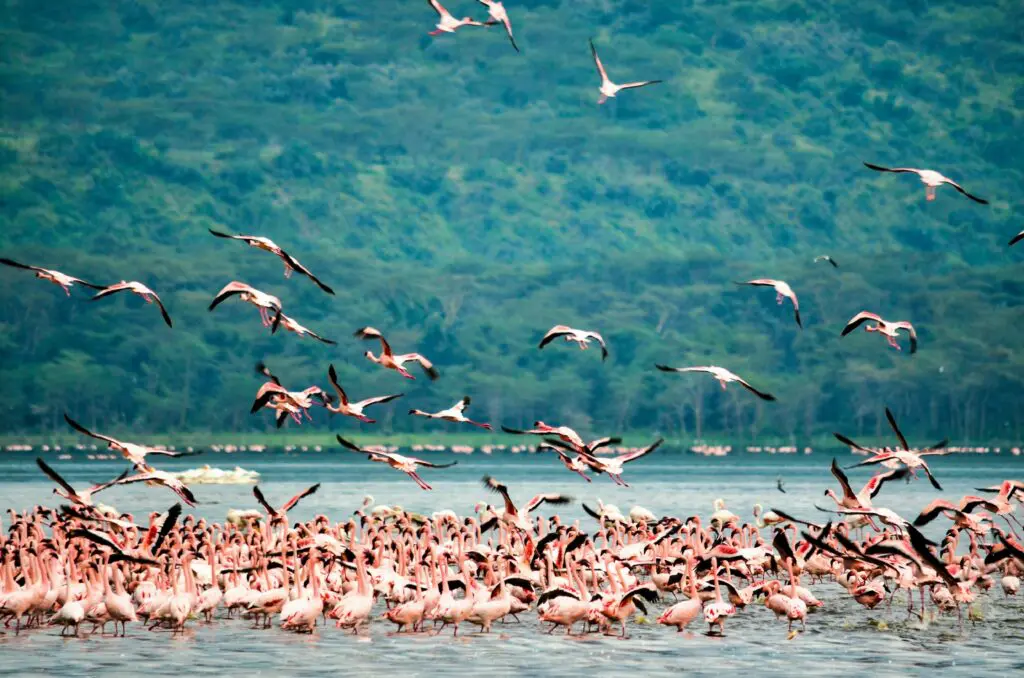
November and December bring the short rainy season, with shorter showers and changing landscapes. Birdlife adds another reason to look beyond the best-known dry-season safari months.
A safari or road trip can still be rewarding, but build your plans around regional conditions. Shorter showers do not guarantee clear roads everywhere, especially on more remote stretches.
- Best suited to: travellers interested in birdlife and a different seasonal safari experience.
- Main advantage: changing scenery and another way to experience Kenya’s wild places.
- Keep in mind: check road access and local forecasts before longer driving days.
The best time for safari in Kenya
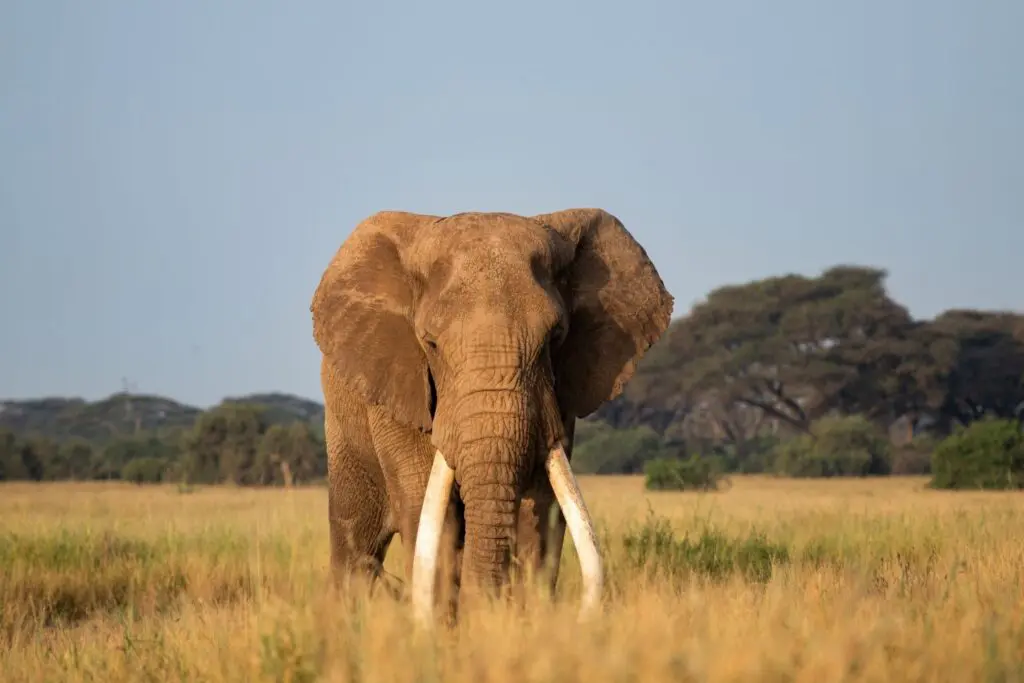
For an overall wildlife-focused trip, start by considering June to October or January and February. Kenya offers rewarding safari experiences throughout the year, but seasonal changes affect the setting and the practicalities of getting around.
If the Great Migration is your priority, plan specifically around the Masai Mara rather than treating it as an event visible across Kenya. Its movements are seasonal, and sightings are never guaranteed.
The same realistic approach applies to the Big Five and other wildlife: choose your destinations thoughtfully, but leave room for encounters you did not expect rather than treating sightings as a checklist.
- Masai Mara National Reserve: distinguish between a general wildlife safari and a trip timed specifically for the migration.
- Lake Nakuru National Park: combine wildlife viewing with lakeside scenery and birdlife.
- Samburu National Reserve: check reserve-specific seasonal advice instead of simply applying the Masai Mara calendar.
The best time for a Kenya road trip
For a road trip linking several destinations, the dry seasons are generally the more convenient choice. Rainy periods require closer attention to accessibility, especially away from main routes and inside parks.
When sketching out a journey, consider how Nairobi, Lake Naivasha, Hell’s Gate National Park, Lake Nakuru National Park and the Masai Mara fit your interests. Lakes, cycling and wildlife viewing give the trip variety beyond consecutive game drives. If Samburu National Reserve is on your list, check its conditions separately before adding it to a longer itinerary.
The greener months have their appeal too: fewer tourists during the long rains and landscapes that offer a different backdrop. Give yourself room to adjust, and confirm access with your trip organiser before setting off.
So, when should you visit Kenya?
- For an overall safari: consider June to October, with January and February as another strong option.
- For the Great Migration: focus on the Masai Mara’s migration period, checking current guidance before booking.
- For a road trip: favour the dry seasons for generally more convenient travel between destinations.
- For greener landscapes and fewer crowds: consider March to May, accepting heavier rain and possible access limitations.
- For birdlife and a different seasonal experience: look at November and December.
There is no single perfect time to travel to Kenya. Start with the experience you most want, then choose dates and a route that support it. Leave a little space for the unexpected: wildlife does not follow an itinerary.