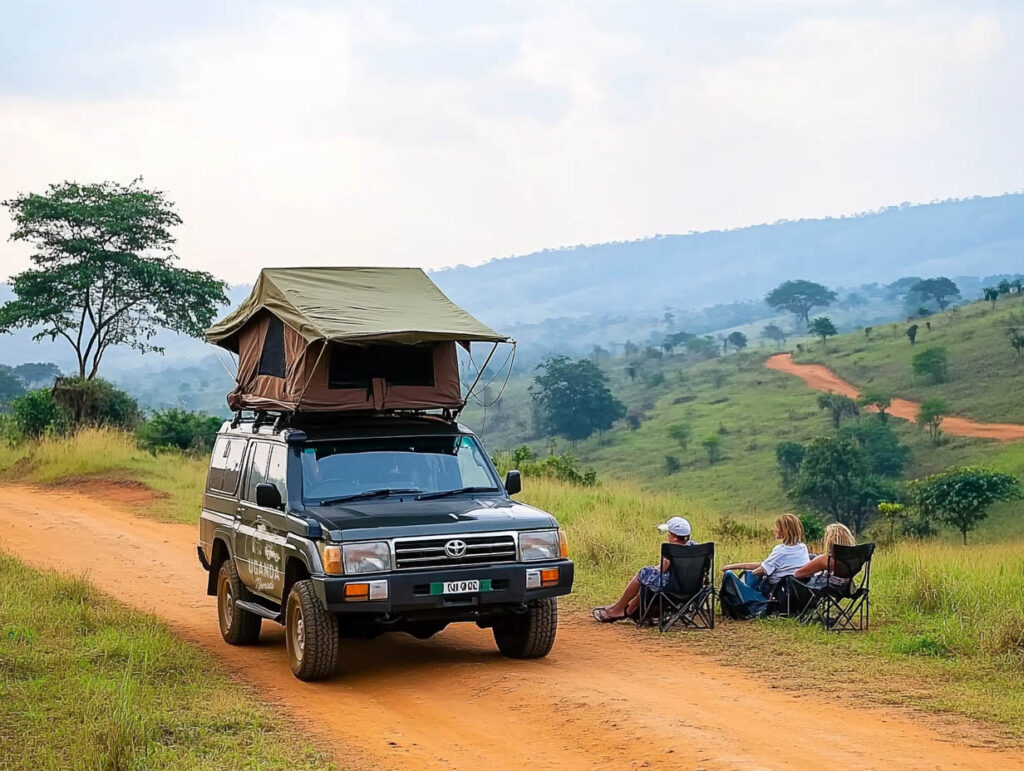
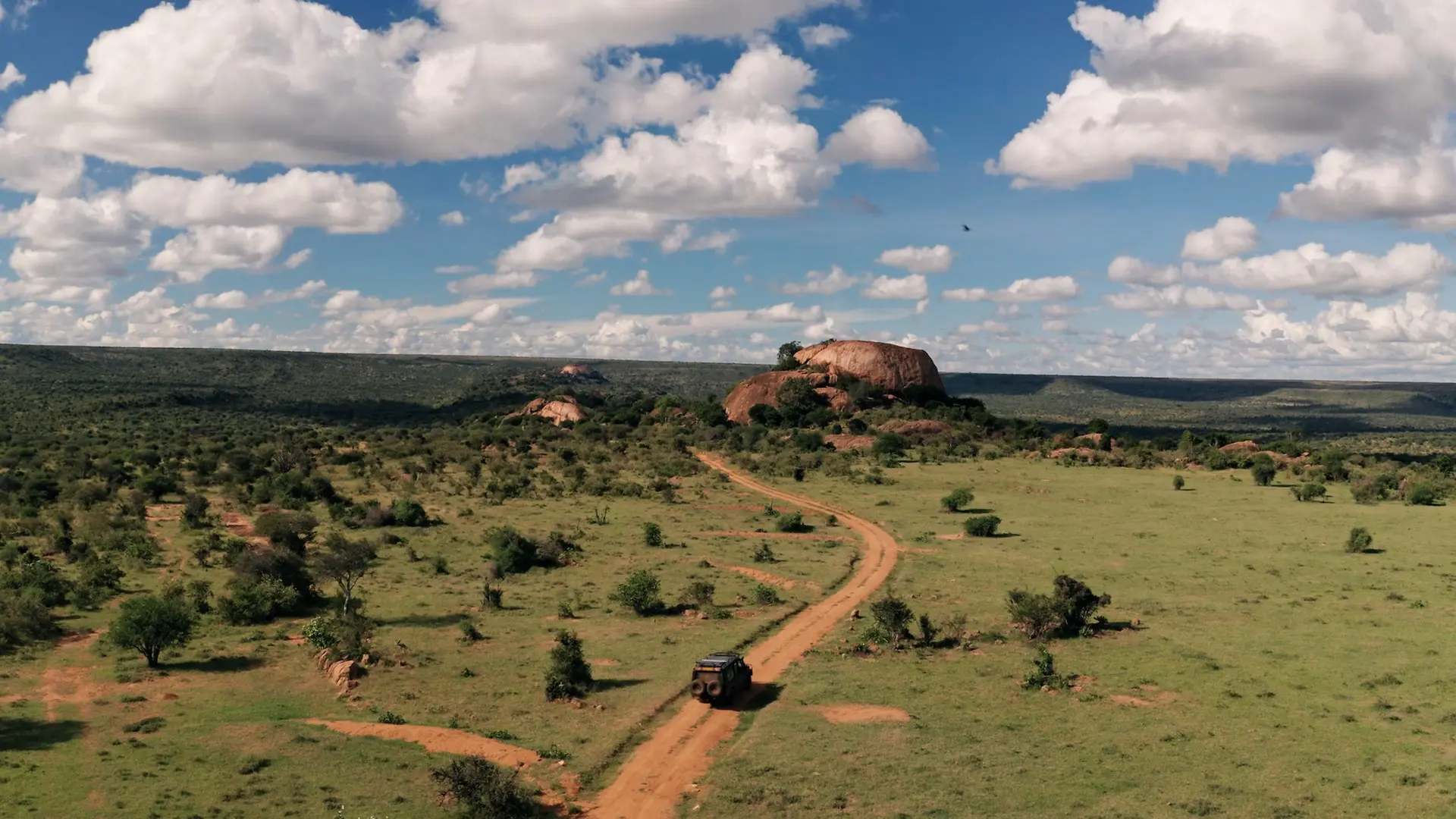
Rhinos grazing by a lake, a night spent with the Maasai and zebras roaming close to your 4×4: Kenya is full of unforgettable safari moments. Over eight days, discover the country’s most iconic landscapes and wildlife, from the vast plains of the Masai Mara to the shores of Lake Nakuru. With a local driver-guide leading the way, all that’s left to do is soak up every moment of the adventure.
Your Kenya safari trip at a glance
In this blog, you’ll discover what to expect from an eight-day safari through Kenya. Starting and ending in Nairobi, the route takes you to the rhino-filled landscapes of Lake Nakuru, the Loita Hills for an authentic Maasai experience, the vast plains of the Masai Mara and the beautiful shores of Lake Naivasha. You’ll also explore Hell’s Gate National Park, with plenty of opportunities to spot wildlife and experience Kenya’s incredible landscapes along the way.
Day 1: Karibu Kenya! Arrival in Nairobi
Welcome to Kenya! Most international flights arrive in Nairobi in the evening, making it the perfect moment to settle in and recharge after your journey. After landing, head to your hotel near the airport and get some rest before setting off to explore the country the next day.
Tip: If you’re arriving late, staying close to the airport is a convenient way to avoid a long transfer and start your adventure feeling refreshed.
Day 2: Nairobi to Lake Nakuru National Park
Drive: approximately 4 hours, 160 km.
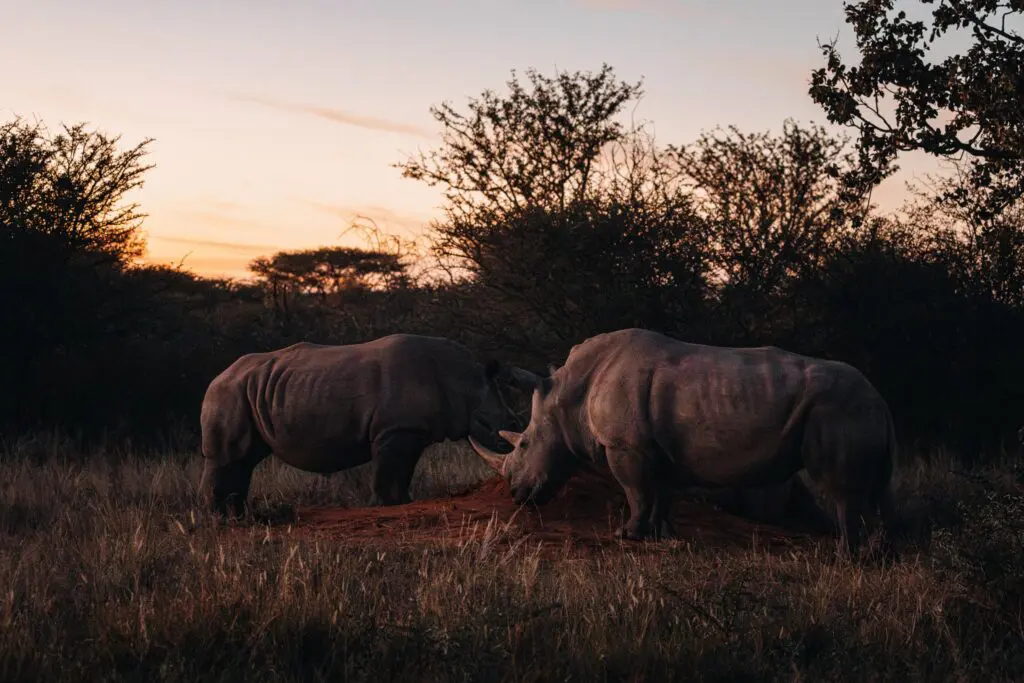
After breakfast, the journey heads towards the Great Rift Valley and Lake Nakuru National Park. Known for its rich birdlife, acacia forests and endangered white and black rhinos, the park is one of Kenya’s most rewarding wildlife destinations.
The afternoon is the perfect time for a first game drive. Lake Nakuru is home to four of the Big Five, and you may spot rhinos, lions, giraffes, zebras and, depending on the season, flamingos.
Tip: Bring a mini-jack cable if you want to connect your phone to the car radio and enjoy your own safari soundtrack along the way.
Day 3: Lake Nakuru to Maji Moto
Drive: approximately 4 hours, 190 km.
The morning offers the opportunity for one last game drive in Lake Nakuru National Park before continuing south towards Maji Moto, a traditional Maasai community in the Loita Hills, bordering the Masai Mara ecosystem. This is a chance to experience a different side of Kenya, away from the classic safari landscapes.
The Loita Hills offer a glimpse into traditional Maasai culture and daily life. Activities in the area include:
- Warrior training and traditional Maasai dancing
- Bow and arrow shooting and spear throwing
- A guided nature walk with animal tracking
- A visit to a traditional Maasai village
- Beading with Maasai women or woodcarving with the men
- Herding cattle alongside a Maasai shepherd
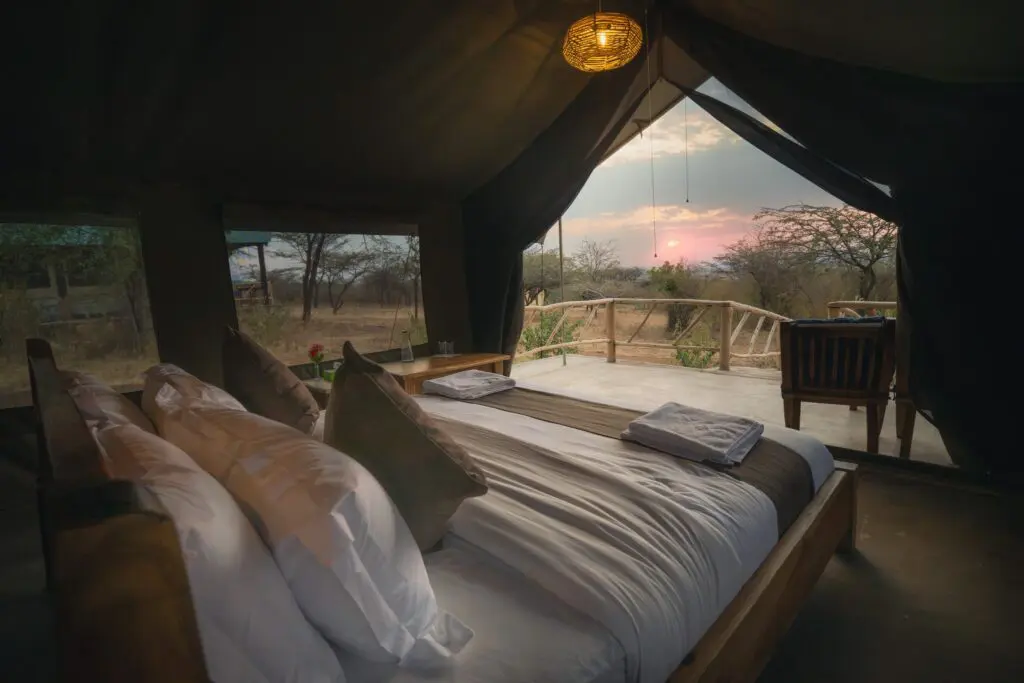
Tip: Accommodation in this area is generally more basic than at other safari stops, with shared bathroom facilities. It’s a unique opportunity to experience a more traditional way of life.
Day 4: Maji Moto to the Masai Mara
Drive: approximately 1.5 hours, 70 km.
The morning offers some more time to explore the Loita Hills and discover Maasai culture before continuing towards the Masai Mara. The short drive takes you to the edge of one of Africa’s most famous safari destinations, where open landscapes and vast savannah plains set the scene for the days ahead.
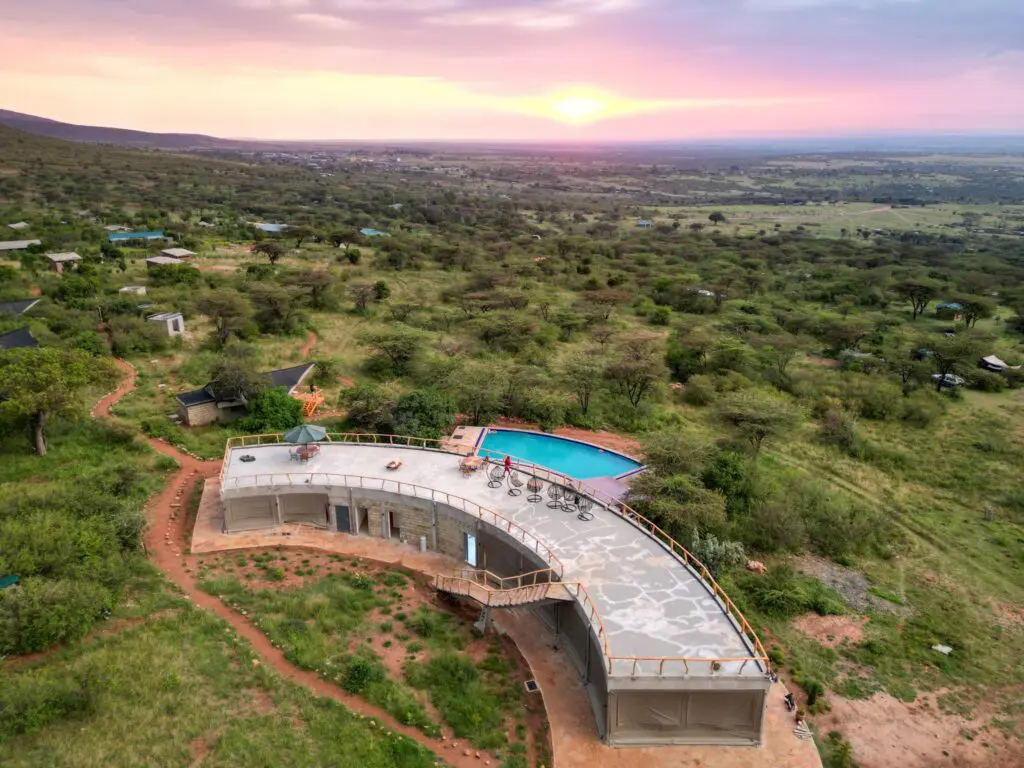
As you get closer to the reserve, the scenery gradually opens up into endless grasslands, dotted with acacia trees and scattered wildlife. As the day comes to an end, enjoy the sunset over the Mara plains and take in the peaceful surroundings.
Tip: Make the most of the quieter afternoon to relax and recharge before a full day of wildlife spotting in the Masai Mara.
Day 5 – A full day of wildlife spotting in the Masai Mara
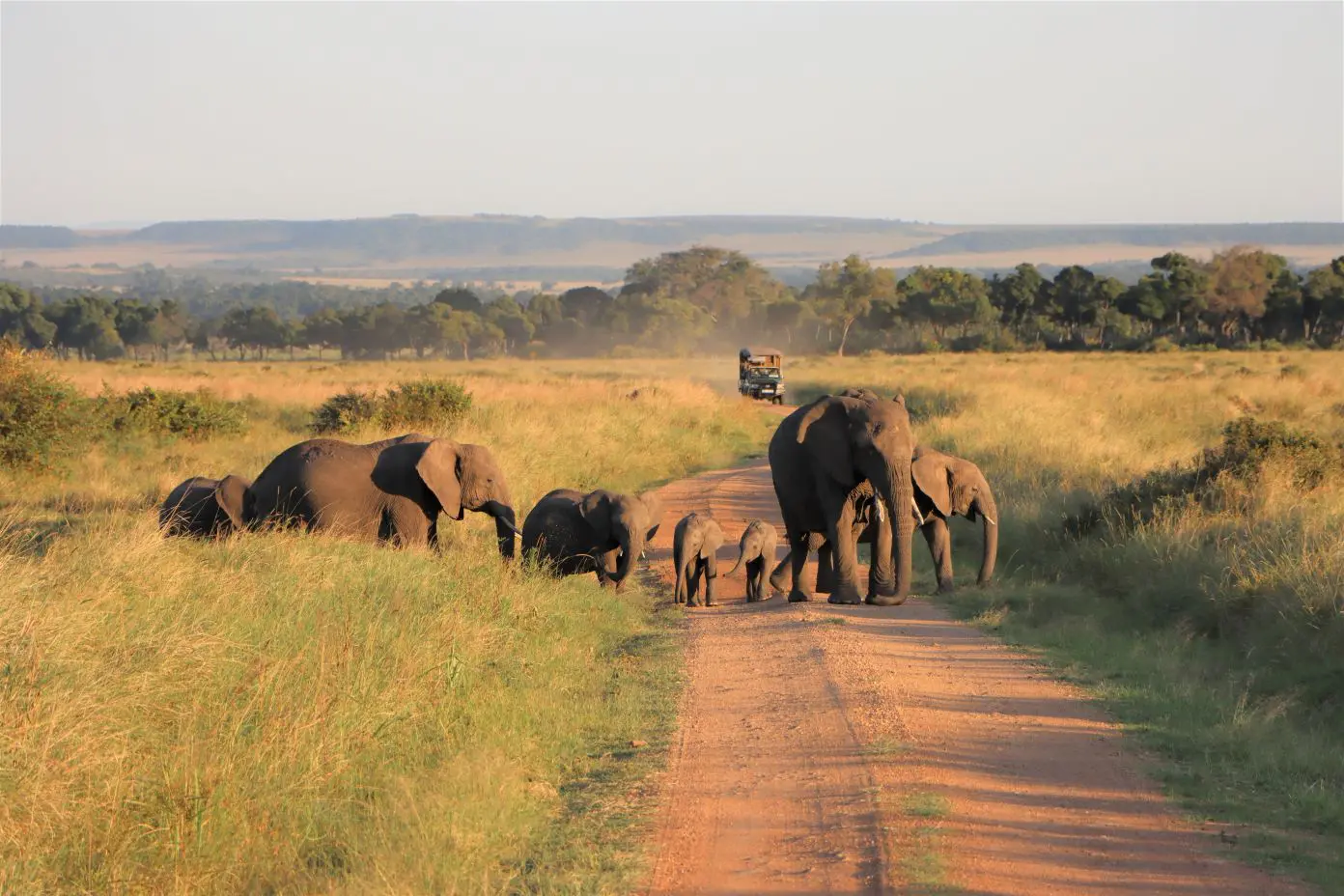
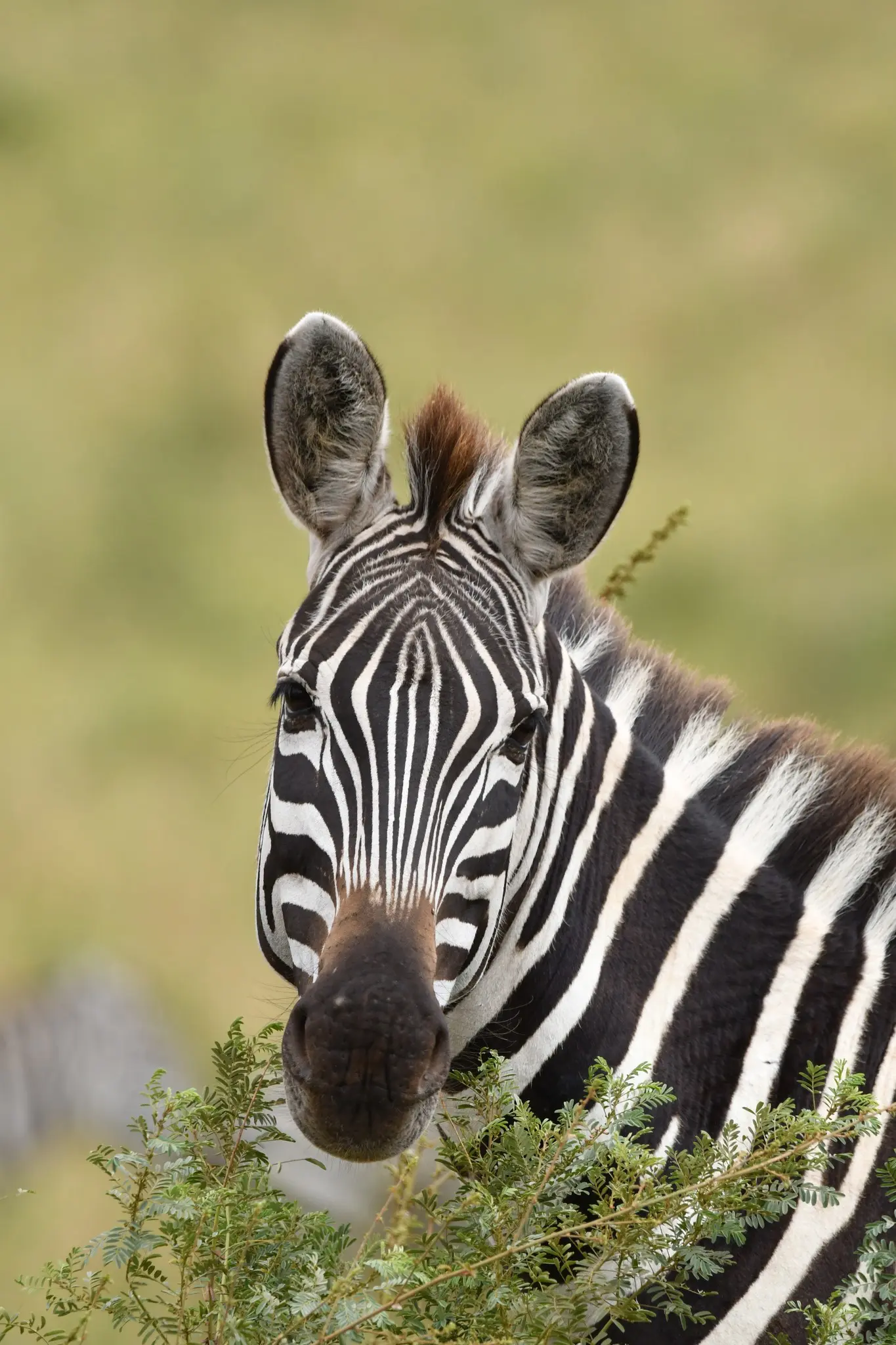
Today is all about wildlife, with a morning and an afternoon game drive through the iconic Masai Mara. This vast reserve is home to an incredible variety of animals, including the Big Five: lions, leopards, elephants, buffaloes and rhinos. You’ll also find wildebeest, zebras, antelopes, cheetahs, hyenas and hundreds of bird species across the plains.
With its wide-open grasslands and rich wildlife, the Masai Mara offers some of the best safari experiences in Africa. Keep your eyes peeled as you explore the reserve with your guide. You never know what might appear around the next corner, from a herd of elephants crossing the plains to a lion resting in the tall grass.
Between game drives, take a moment to enjoy the spectacular scenery, especially during the golden light of early morning and late afternoon.
Tip: Early mornings are often the best time to spot predators while they’re still active. Don’t hesitate to ask your driver-guide questions along the way – there’s always something new to discover about the wildlife and ecosystem.
Day 6: Masai Mara to Lake Naivasha
Drive: approximately 4.5 hours, 225 km.
After breakfast, the journey continues from the Masai Mara towards Lake Naivasha, a beautiful freshwater lake surrounded by volcanic landscapes in the Great Rift Valley. The scenery gradually changes from open savannah to lush green surroundings, acacia trees and an abundance of birdlife.
The afternoon is a great opportunity to explore the lake and its surroundings. Popular activities in the area include:
- Boat safari: Discover Lake Naivasha from the water, with chances of spotting hippos, fish eagles and other bird species along the shores, lined with distinctive yellow fever trees.
- Crescent Island walking safari: Explore this wildlife sanctuary on foot, with the lake and surrounding volcanoes as a backdrop. Zebras, giraffes, wildebeest, gazelles and antelopes roam freely across the island.
Both activities offer a different perspective on Kenya’s wildlife and landscapes, away from the traditional 4×4 safari.
Day 7: Hell’s Gate and back to Nairobi
Drive: approximately 3.5 hours, 120 km.
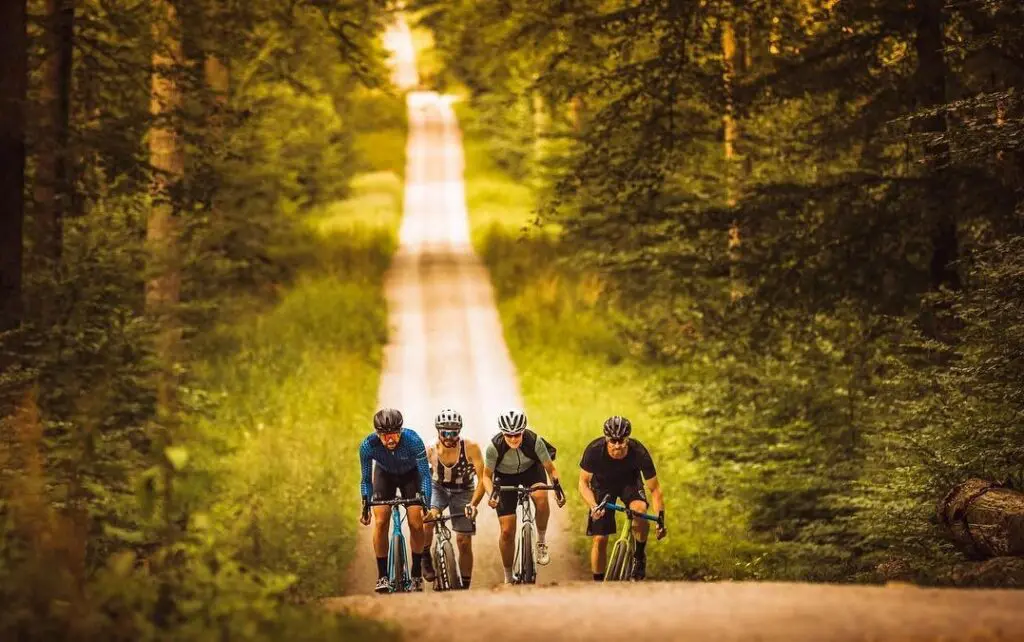
The morning offers an opportunity to explore Hell’s Gate National Park, one of the few national parks in Kenya where visitors can discover the landscape on foot or by bicycle. The park is known for its dramatic cliffs, deep gorges and geothermal features. Along the way, zebras, giraffes, antelopes and other wildlife can often be spotted roaming freely.
For those looking for a more active adventure, climbing Mount Longonot is another option. Alternatively, the peaceful surroundings of Lake Naivasha offer the perfect setting for a slower start to the day.
After lunch, the journey continues back towards Nairobi, passing through the impressive landscapes of the Great Rift Valley.
Tip: Activities at Hell’s Gate can be arranged locally. It’s worth deciding in advance whether to explore the park by bike, hike Mount Longonot or enjoy a more relaxed morning.
Day 8: Nairobi and home
There is still plenty to discover in Nairobi before heading home. One option is a guided three-hour city walk led by former street youth, offering a different perspective on the city. The experience also includes a local lunch and helps support the guides’ livelihoods.
For those who prefer exploring independently, Nairobi has plenty to offer. Visit the National Museum, stop at a local café, discover Nairobi National Park or get up close with giraffes at the Giraffe Centre.
In the evening, it’s time to head to the airport for the flight home, bringing the Kenyan adventure to an end.
Tip: Keep your flight departure time in mind when planning your day. Nairobi traffic can be unpredictable, so allow enough time to get to the airport.

Good to know before you visit Kenya
- Passport: valid for at least six months after your trip, with a free page.
- Visa: Kenya requires an electronic travel authorization (eTA), arranged online before departure.
- Vaccinations: hepatitis A is recommended. Yellow fever vaccination is only required if you arrive from or travel through a high-risk country.
- Malaria: present in parts of Kenya. Visit a travel doctor or clinic well in advance to discuss preventive medication. Wear long clothing in the evening, use repellent and sleep under a treated mosquito net.